
Emptiness and the Nature of Reality: A Teaching on the Perfection of Wisdom Sūtra
Explore the Perfection of Wisdom, including the Buddha's instructions on meditation and the four applications of mindfulness.
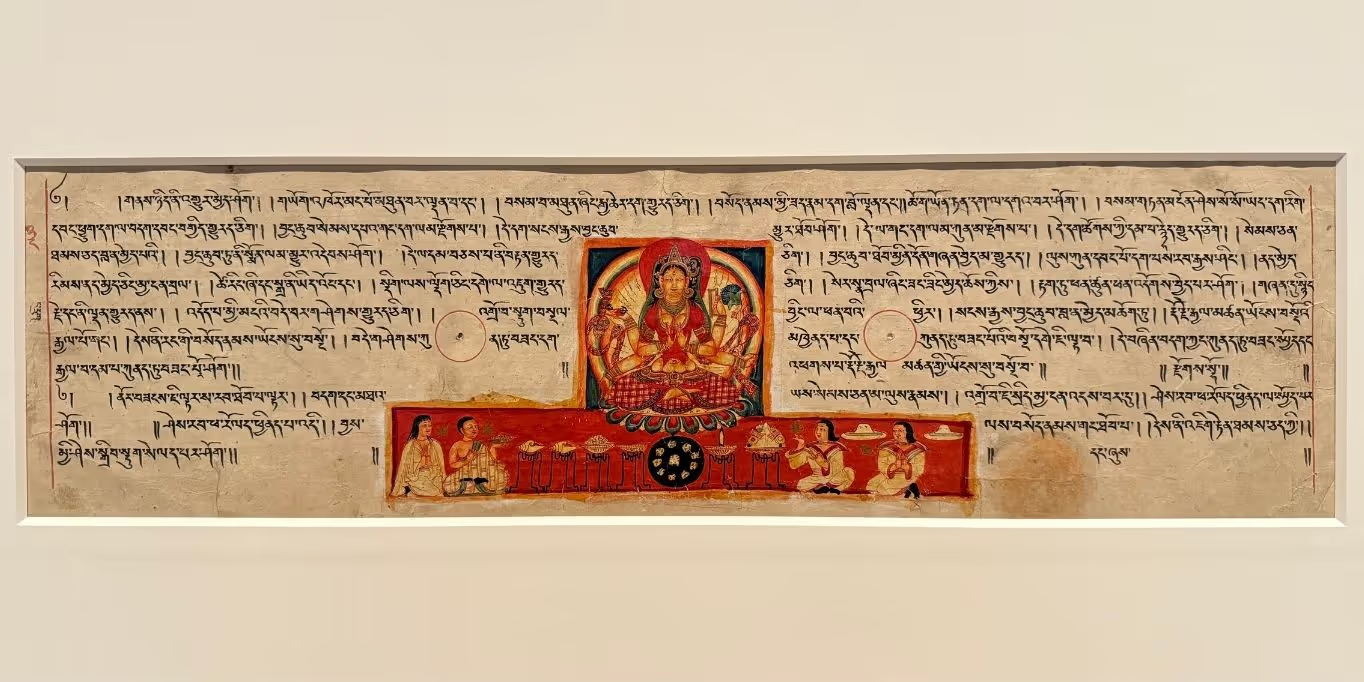
On the auspicious occasion of Saga Dawa Düchen, 84000 marked a historic milestone in our long-term mission to translate the Tibetan Buddhist canon. In a celebratory virtual event, 84000 announced that 25% of the Kangyur has now been translated into English and made freely available to readers around the world. This achievement represents a significant step forward in 84000’s one-hundred-year project.
The event also celebrated the release of two major texts from the Perfection of Wisdom collection: the renowned Heart Sūtra and The Perfection of Wisdom in Eighteen Thousand Lines. To commemorate the occasion, 84000’s Founding Chair, Dzongsar Khyentse Rinpoche, offered a live teaching on the Perfection of Wisdom tradition, followed by a Q&A. In his reflections, Rinpoche explored the meaning of emptiness, suggesting that many of life’s difficulties arise from the mistaken belief in a fixed, permanent self. Using the metaphor of a dream, he illustrated how things may appear real and function logically on a relative level, while lacking any intrinsic nature. The session offered a clear reminder that this wisdom is not abstract philosophy, but a vital foundation for liberation—inviting modern students to examine the relationship between appearance and reality with both insight and discernment.

Related content
View all
Repeating the Words of the Buddha: Phakchok Rinpoche Teaches on the Perfection of Wisdom

What Is a Bodhisattva? The Mahāyāna Ideal of Compassion and Wisdom
Jens Braarvig

Outwitting Distractions: A Four-Part Series on the Distracted Mind
Dzongsar Khyentse Rinpoche
Cultivating a Bodhisattva Mind: Buddhist Teachings on Death, Dying, and Liberation
Yongey Mingyur Rinpoche